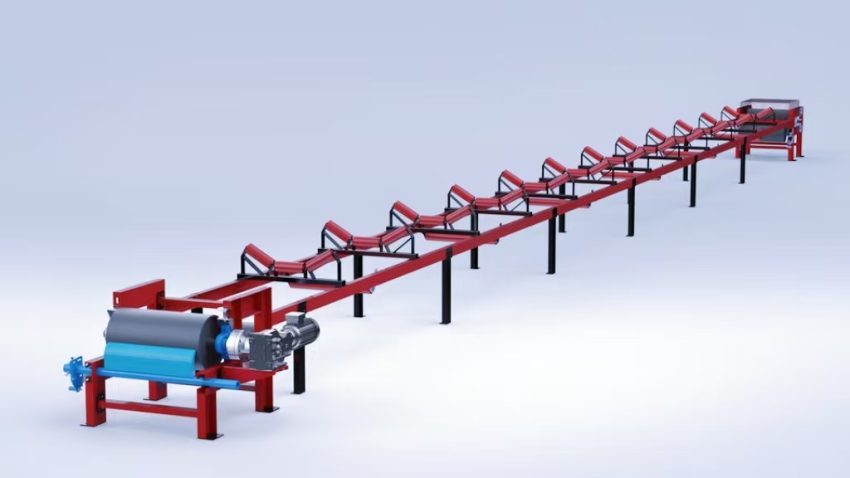
Selecting the right straight belt conveyor is essential for ensuring smooth and efficient material handling in any industrial setup. Whether it is a warehouse, manufacturing unit, or packaging facility, the wrong choice can lead to operational delays, increased costs, and reduced productivity. For businesses dealing with specialized transport needs, solutions like three wheeler conveyor systems can also play a crucial role in optimizing movement and handling processes. With multiple options available in the market, businesses often find it challenging to identify the most suitable conveyor system. Understanding key factors such as load type, operational requirements, and system design can simplify the decision-making process. A well-chosen conveyor not only improves workflow but also ensures long-term efficiency and reliability.
Understanding Straight Belt Conveyors
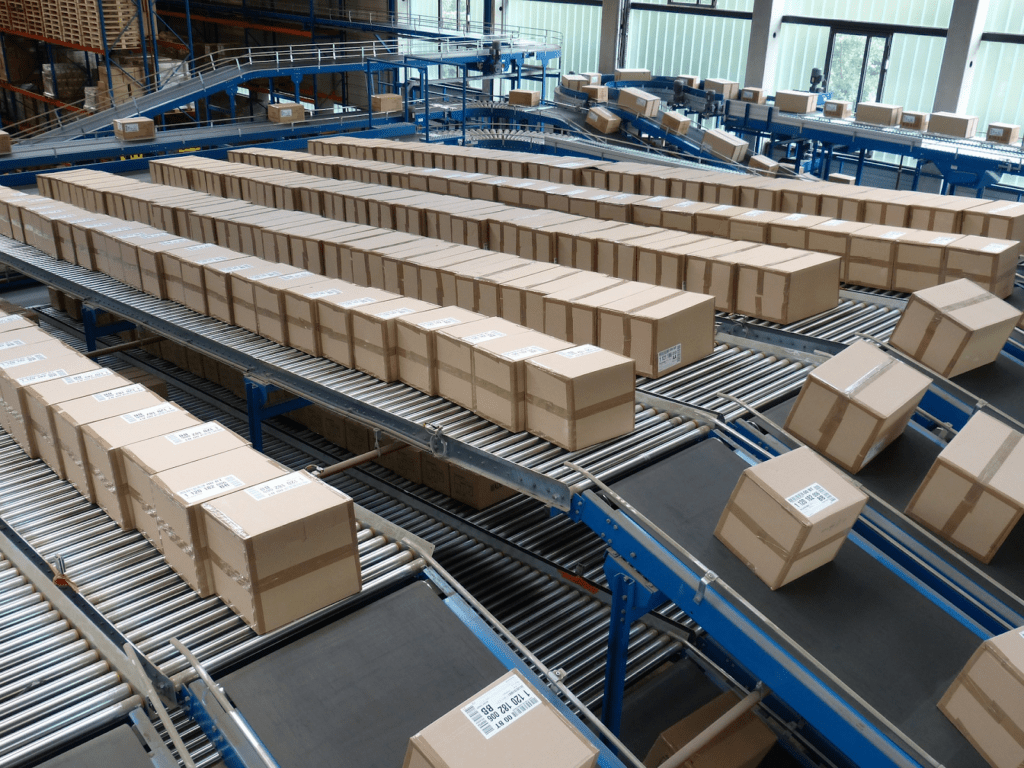
Straight belt conveyors are one of the most commonly used material handling systems. They consist of a continuous belt that moves materials in a straight line from one point to another. In many applications, a flat belt conveyor is preferred due to its smooth surface and efficient handling capabilities. These conveyors are ideal for transporting a wide range of items, including cartons, packages, and bulk materials. Their simple design, smooth operation, and versatility make them suitable for various industries. They can be customized based on length, width, belt type, and speed, allowing businesses to adapt them to specific operational needs.
Key Factors to Consider Before Choosing
Choosing the right straight belt conveyor requires careful evaluation of several important factors. Ignoring these aspects can lead to inefficiencies and higher maintenance costs.
Load capacity is one of the primary considerations. It is important to understand the weight and type of materials that the conveyor will handle. The belt material and strength should be selected accordingly.
The size and layout of the workspace also play a crucial role. The conveyor should fit seamlessly into the existing setup without causing obstructions or limiting movement.
Speed requirements must be aligned with operational goals. A system that is too slow can reduce productivity, while excessive speed may lead to handling issues or damage to goods.
Environmental conditions such as temperature, dust, and moisture should also be taken into account, as they can impact the performance and durability of the conveyor system.
The Importance of Belt Material and Design
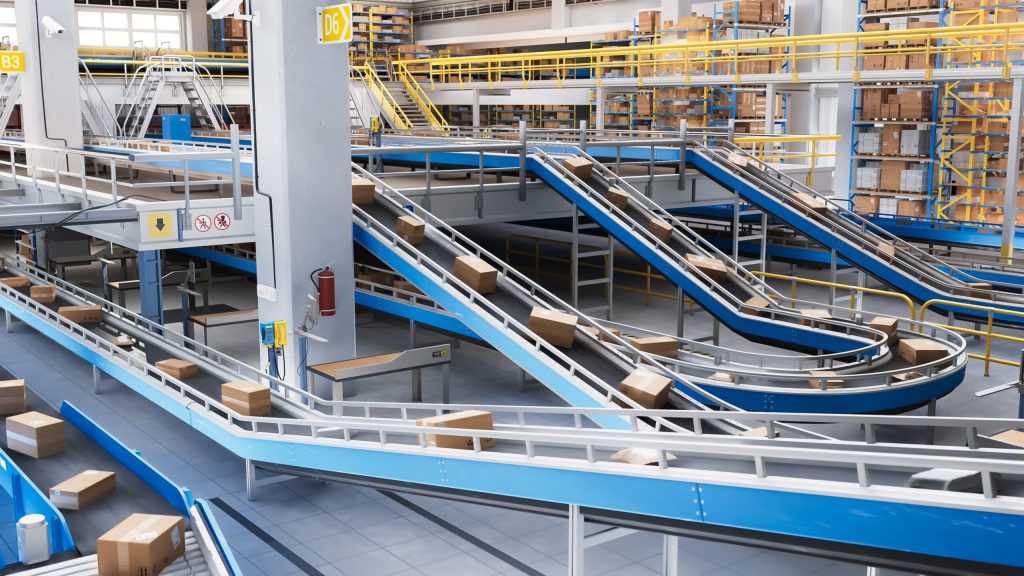
The belt is the most critical component of a straight belt conveyor. Choosing the right material ensures durability and efficient performance.
Different materials are suitable for different applications. For example, rubber belts are ideal for heavy-duty operations, while PVC belts are commonly used for lighter loads and packaging industries.
The surface design of the belt also matters. Smooth belts are suitable for regular transportation, whereas textured belts provide better grip for inclined or sensitive materials.
A well-designed belt reduces wear and tear, minimizes maintenance needs, and ensures consistent performance over time.
How the Right Conveyor Improves Workflow
A properly selected straight belt conveyor can significantly enhance overall workflow efficiency. It ensures smooth movement of materials, reducing manual handling and operational delays.
With a structured material flow, businesses can minimize congestion in work areas and improve coordination between different processes such as sorting, packaging, and dispatch.
In manufacturing environments, conveyors support continuous production by maintaining a steady supply of materials. This reduces downtime and increases overall productivity.
Additionally, efficient conveyors help in reducing errors and improving accuracy in handling operations.
Why Engineering Expertise Matters
Choosing the right conveyor is not just about selecting a product—it requires proper engineering and planning. Factors such as load distribution, alignment, and system integration must be carefully considered.
Expert manufacturers like Flexitech Engineering focus on delivering solutions that are technically sound and performance-driven. Their experience ensures that the system operates smoothly without frequent breakdowns or inefficiencies.
With proper design and installation, businesses can achieve long-term reliability and reduced maintenance costs.
Common Mistakes to Avoid
Many businesses make the mistake of selecting conveyors based only on cost. This often leads to poor performance and higher long-term expenses.
Another common error is ignoring future scalability. A system that works today may not be sufficient as business operations grow.
Improper installation and lack of customization can also affect efficiency. It is important to choose a system that is designed specifically for your operational needs.
Avoiding these mistakes ensures better performance and a higher return on investment.
How Flexitech Helps You Choose the Right Conveyor
Flexitech Engineering simplifies the process of selecting the right straight belt conveyor by offering expert guidance and customized solutions. The team evaluates your operational requirements, workspace layout, and material handling needs to recommend the most suitable system.
With a focus on quality, durability, and performance, Flexitech ensures that every conveyor system delivers consistent results. From design to installation, businesses receive complete support for seamless implementation.
Conclusion
Choosing the right straight belt conveyor is a critical decision that directly impacts operational efficiency and productivity. By considering factors such as load capacity, belt material, design, and workspace layout, businesses can make informed decisions.
A well-designed conveyor system improves workflow, reduces manual effort, and ensures smooth material handling. Investing in the right solution today leads to long-term operational success and growth.
FAQs
What is a straight belt conveyor used for?
It is used to transport materials in a straight line efficiently across different sections of a facility.
How do I choose the right conveyor belt material?
It depends on the type of materials, load capacity, and environmental conditions of your operations.
Can straight belt conveyors be customized?
Yes, they can be designed according to specific requirements such as size, speed, and load handling.
Why is conveyor speed important?
Proper speed ensures efficient material flow without causing damage or delays in operations.