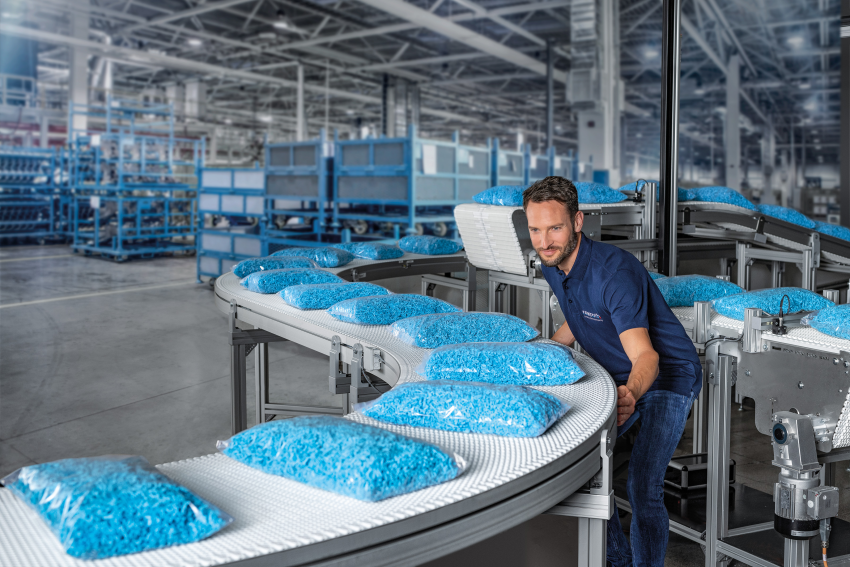
Modern manufacturing is evolving rapidly with increasing demand for speed, flexibility, and precision. Traditional material handling systems often struggle to keep up with changing production needs, leading to inefficiencies and operational delays. To overcome these challenges, industries are shifting towards modular conveyor systems that offer adaptability and high performance.
Modular conveyors are transforming how materials move across production lines. With their flexible design and easy customization, they allow manufacturers to optimize workflows, reduce downtime, and improve overall productivity. These systems are becoming a key component in achieving efficient and scalable manufacturing operations.
Understanding Modular Conveyor Systems
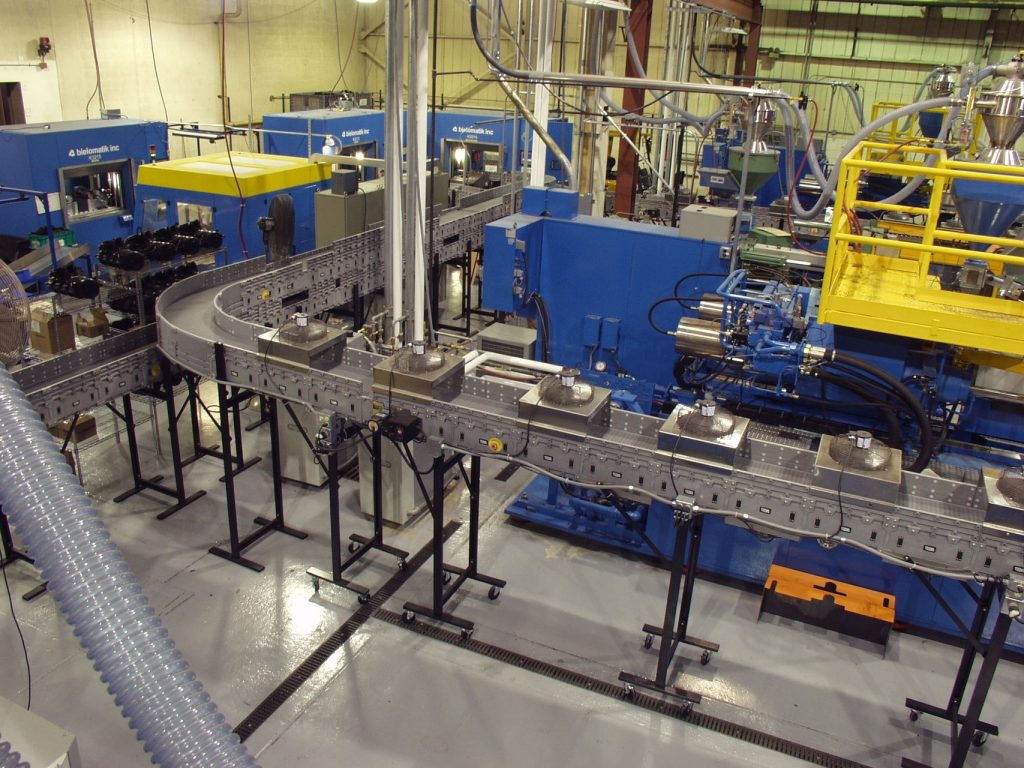
Modular conveyor systems are built using interlocking components that can be easily assembled, modified, or expanded. Unlike fixed systems, they offer greater flexibility in design and layout.
These conveyors are widely used in combination with systems like belt conveyors, roller conveyors, and assembly conveyor lines to create a seamless material handling setup. Their modular structure allows businesses to adapt quickly to production changes without major system overhauls.
They are suitable for handling a variety of materials, from lightweight products to heavy industrial components, making them ideal for multiple industries.
The Role of Flexibility in Modern Manufacturing
Flexibility is one of the biggest advantages of modular conveyors. In today’s manufacturing environment, production lines often need to be adjusted based on demand, product type, or process changes.
Modular systems make it easy to reconfigure layouts without significant downtime. Whether it’s extending a line, changing direction, or integrating with overhead conveyors or free flow conveyor systems, these systems support dynamic operations.
This flexibility allows manufacturers to respond quickly to market demands while maintaining efficiency and consistency.
How Modular Conveyors Improve Production Efficiency
Modular conveyors significantly enhance production efficiency by ensuring smooth and continuous material flow. They reduce manual handling and minimize delays between different stages of production.
By integrating with systems like modular belt conveyors, inclined belt conveyors, and slat conveyors, manufacturers can create a streamlined workflow that supports faster processing.
These systems also help in reducing bottlenecks, improving coordination between departments, and ensuring consistent product movement across the production line.
Reduced Downtime and Maintenance Benefits
One of the major challenges in manufacturing is downtime caused by equipment failure or maintenance. Modular conveyors are designed to address this issue effectively.
Since they are built with interchangeable components, damaged parts can be replaced quickly without shutting down the entire system. This reduces downtime and ensures continuous operation.
Additionally, their robust design and high-quality materials result in lower maintenance requirements, making them a cost-effective solution in the long run.
Integration with Advanced Manufacturing Systems
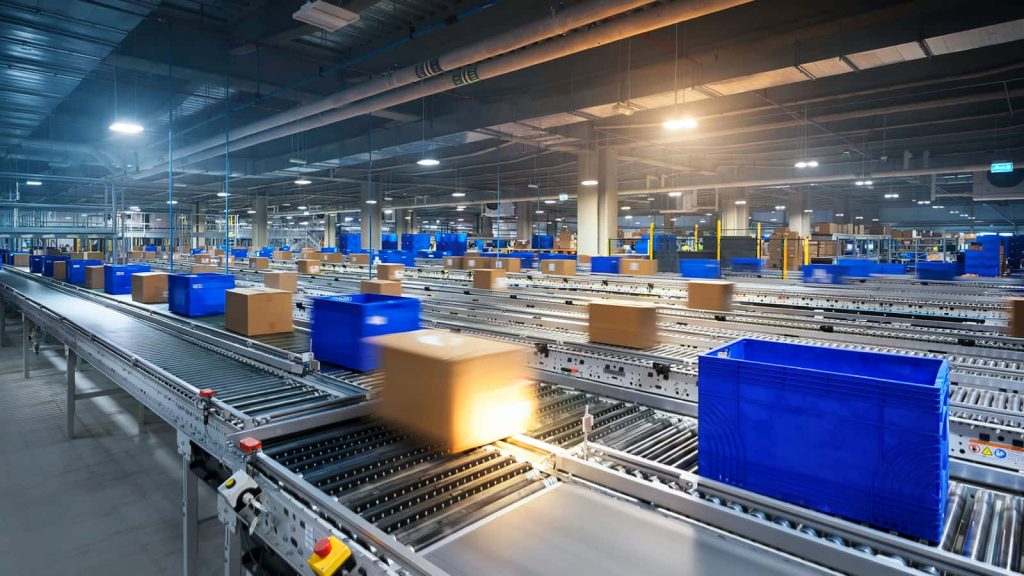
Modular conveyors can be easily integrated with other advanced systems used in modern manufacturing. They work efficiently with automated sorting units, packaging systems, and storage solutions.
They can also be combined with setups like FIFO racks and joints, truck loading conveyors, and vertical conveyor & goods lifts to create a fully automated material handling environment.
This level of integration enhances operational control, improves accuracy, and supports higher productivity levels.
Why Engineering Expertise Matters
The success of a modular conveyor system depends on proper design and engineering. Factors such as load capacity, layout planning, and system compatibility must be carefully considered.
Experienced manufacturers like Flexitech Engineering focus on delivering solutions that are technically sound and tailored to specific operational needs. Their expertise ensures smooth performance, durability, and long-term reliability.
A well-engineered system not only improves efficiency but also supports future scalability.
The Competitive Advantage of Modular Conveyors
Businesses that adopt modular conveyor systems gain a significant advantage in terms of efficiency and adaptability. These systems allow faster production cycles, better inventory handling, and improved workflow management.
They also help reduce operational costs by minimizing manual labor and maintenance expenses. With improved system reliability, businesses can maintain consistent output and meet customer demands more effectively.
Modular conveyors provide a scalable solution that grows with the business, making them a smart investment for modern manufacturing.
How Flexitech Helps Improve Manufacturing Efficiency
Flexitech Engineering delivers advanced modular conveyor solutions designed to enhance manufacturing performance. The company focuses on providing customized systems that align with specific production requirements.
With strong technical expertise and a commitment to quality, Flexitech ensures smooth integration, reliable performance, and long-term efficiency. Their solutions help businesses optimize workflows and achieve consistent operational success.
Conclusion
Modular conveyors are redefining modern manufacturing by offering flexibility, efficiency, and scalability. They enable smooth material flow, reduce downtime, and support continuous production in dynamic environments.
By investing in modular conveyor systems, businesses can improve productivity, reduce operational challenges, and stay competitive in the market. These systems provide a future-ready solution for evolving manufacturing needs.
FAQs
What materials are commonly used in modular conveyor systems?
Modular conveyors are typically made using plastic, stainless steel, or aluminum components depending on application needs.
Are modular conveyors suitable for hygienic industries like food or pharma?
Yes, they are widely used in such industries due to their easy cleaning and corrosion-resistant properties.
How long does it take to install a modular conveyor system?
Installation time varies based on complexity, but modular systems are generally quicker to install than traditional conveyors.
Can modular conveyors operate in harsh industrial environments?
Yes, they are designed to withstand challenging conditions such as dust, moisture, and temperature variations.Is it possible to relocate a modular conveyor system after installation?
Yes, modular conveyors can be dismantled and reassembled in a new location with minimal effort.