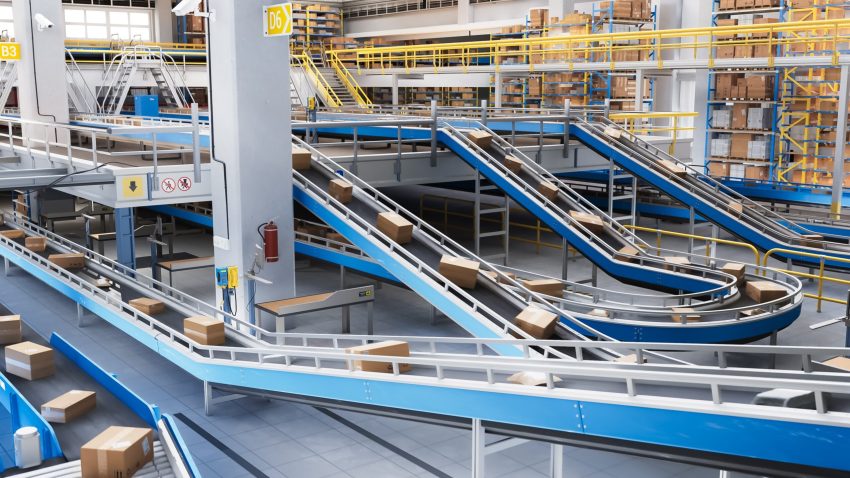
As industries move deeper into the era of automation, conveyor systems have become more than just material handling tools—they are now intelligent systems that drive productivity, efficiency, and scalability. In 2026, automated conveyor systems are playing a central role in transforming how businesses operate across manufacturing, logistics, and warehousing sectors.
The growing demand for faster production cycles, reduced operational costs, and improved accuracy has pushed industries toward automation. Conveyor systems, when integrated with advanced technologies like IoT and AI, are helping businesses achieve these goals while maintaining consistency and reliability.
The Rise of Automated Conveyor Systems
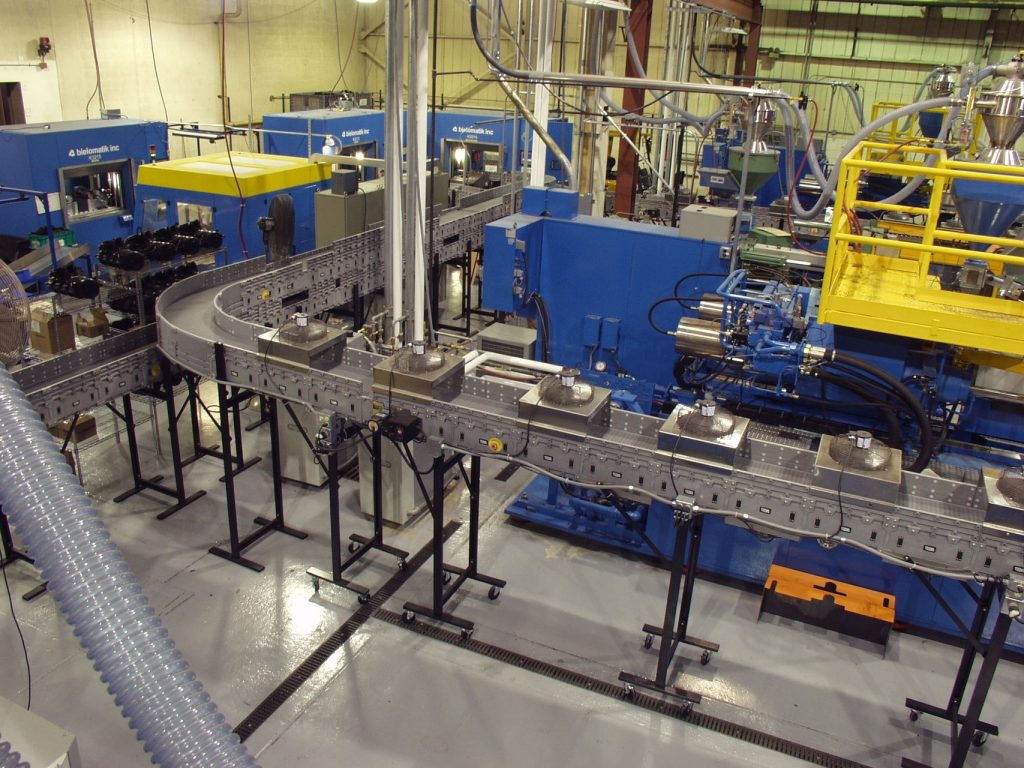
Automated conveyor systems are designed to move materials with minimal human intervention. These systems are equipped with sensors, control units, and smart software that allow them to operate efficiently in complex industrial environments.
Solutions such as the free flow conveyor enable seamless product movement across workstations, making them ideal for modern assembly lines. Meanwhile, vertical systems like the spiral conveyor and overhead conveyor maximize space utilization by leveraging vertical layouts.
This evolution is not just improving operations—it is redefining how industries approach production and logistics.
Significant Improvement in Operational Efficiency
One of the most important benefits of automated conveyor systems is the significant improvement in operational efficiency. By automating the movement of materials, these systems eliminate delays caused by manual handling and ensure a continuous workflow.
In fast-paced environments such as e-commerce warehouses, systems like the flexible conveyor and telescopic conveyor allow businesses to handle varying volumes with ease. They can be adjusted based on operational needs, ensuring smooth and uninterrupted processes.
This level of efficiency helps businesses meet tight deadlines and improve customer satisfaction.
Reduction in Labor Costs and Human Errors
Automation significantly reduces the need for manual labor, which directly impacts operational costs. Conveyor systems take over repetitive tasks, allowing workers to focus on more strategic roles.
Additionally, automation minimizes human errors that can lead to product damage, delays, or inaccuracies. This ensures higher quality standards and reduces wastage.
Over time, the cost savings achieved through automation can be substantial, making conveyor systems a valuable long-term investment.
Enhanced Safety and Workplace Ergonomics
Workplace safety is a major concern in industrial environments, and automated conveyor systems play a crucial role in improving it. By reducing manual handling, these systems lower the risk of injuries associated with lifting heavy objects or performing repetitive tasks.
Specialized setups like the ESD workstation are designed to protect both workers and sensitive electronic components. This combination of safety and efficiency creates a more reliable working environment.
Modern conveyor systems also include safety features such as sensors, emergency stop mechanisms, and protective guards, further enhancing workplace safety.
Optimized Space Utilization
Space is a valuable resource in industrial facilities, and automated conveyor systems help optimize its usage. Vertical solutions such as spiral and overhead conveyors allow businesses to utilize unused vertical space, freeing up floor area for other operations.
This is particularly beneficial for industries operating in compact environments where maximizing available space is essential for growth.
Seamless Integration with Smart Technologies
In 2026, the integration of conveyor systems with smart technologies is one of their biggest advantages. IoT-enabled conveyors can provide real-time data on system performance, helping businesses identify inefficiencies and improve operations.
AI-driven analytics enable predictive maintenance, reducing downtime and ensuring continuous operation. This level of intelligence allows businesses to make data-driven decisions and stay ahead of the competition.
Improved Inventory Management and Workflow
Efficient inventory management is critical for smooth operations, and conveyor systems play a key role in achieving it. Solutions like FIFO racks and joints ensure that materials are used in the correct order, reducing waste and improving workflow.
This structured approach helps businesses maintain better control over their inventory and avoid unnecessary losses.
Versatility Across Different Applications
Automated conveyor systems are highly versatile and can be customized to meet the specific needs of different industries. Whether it is manufacturing, logistics, or assembly, there is a conveyor system designed for every application.
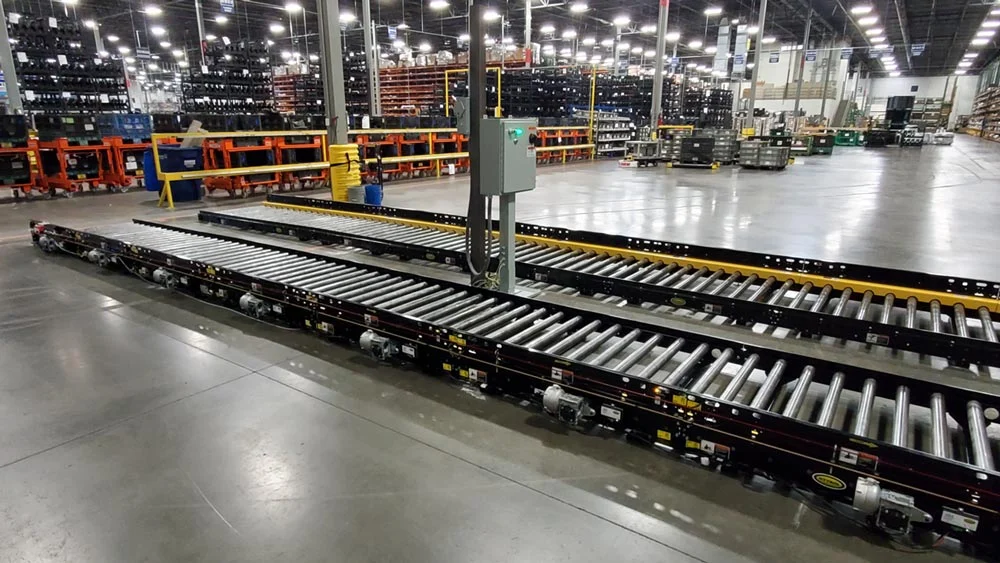
For example, the gravity roller conveyor is ideal for simple and cost-effective material movement, while the powered roller conveyor offers controlled and automated transport.
For heavy-duty applications, the modular belt conveyor and slat conveyor provide durability and strength. Meanwhile, the bend roller conveyor allows smooth directional changes, making it suitable for complex layouts.
Additionally, specialized systems like the truck loading conveyor streamline logistics operations, while advanced setups such as the refrigerator air conditioning assembly line and battery assembly line enhance production efficiency in manufacturing industries.
Scalability for Future Growth
Another key benefit of automated conveyor systems is their scalability. As businesses grow, their operational requirements change, and conveyor systems can be easily expanded or modified to accommodate these changes.
This flexibility ensures that businesses can adapt to increasing demand without significant disruptions to their operations.
Contribution to Sustainability
Sustainability is becoming a priority for industries worldwide, and automated conveyor systems contribute to this goal by reducing energy consumption and minimizing waste.
Efficient material handling reduces the need for excessive resources, while advanced systems are designed to operate with minimal environmental impact.
Conclusion
In 2026, automated conveyor systems are not just improving industrial operations—they are transforming them. By enhancing efficiency, reducing costs, improving safety, and integrating with smart technologies, these systems have become essential for modern businesses.
Companies that invest in automated conveyor solutions are better positioned to handle the challenges of a rapidly evolving industrial landscape. As technology continues to advance, the role of conveyor systems will only become more significant, driving innovation and growth across industries.
Frequently Asked Questions
What are automated conveyor systems?
Automated conveyor systems are material handling systems that use automation and smart technologies to transport goods with minimal human intervention.
What industries benefit the most from automated conveyors?
Industries such as manufacturing, logistics, e-commerce, automotive, and electronics benefit significantly from automated conveyor systems.
Do automated conveyor systems reduce labor costs?
Yes, they reduce the need for manual labor by automating repetitive tasks, which helps lower operational costs.
Are conveyor systems safe to use?
Modern conveyor systems are equipped with safety features like sensors and emergency stops, making them safe for industrial use.
Can conveyor systems be customized?
Yes, conveyor systems can be tailored to meet specific operational requirements and layouts.
What is the future of automated conveyor systems?
The future includes AI-powered, IoT-enabled systems that offer real-time monitoring, predictive maintenance, and improved efficiency.