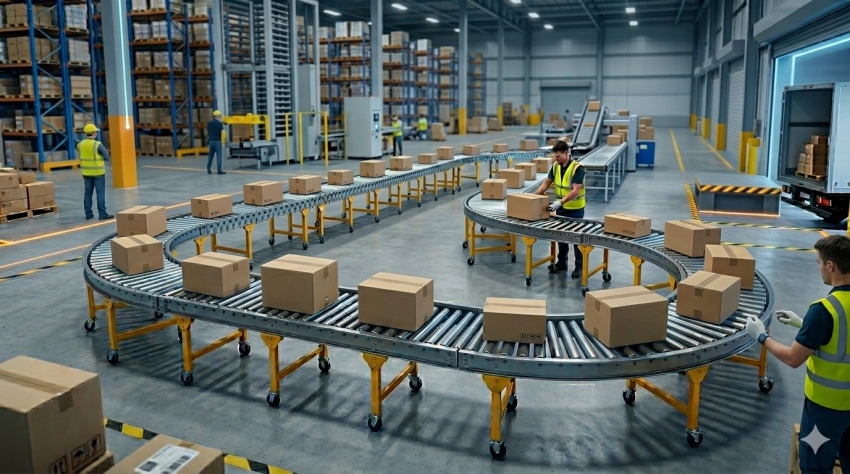
Industrial conveyor rollers play a crucial role in modern material handling systems. From warehouses to manufacturing units, these components ensure smooth and efficient movement of goods across different stages of operations. As industries continue to focus on automation and efficiency, the demand for high-quality conveyor rollers is steadily increasing.
Understanding how conveyor rollers work and selecting the right type can significantly impact productivity, operational cost, and system performance. Whether used in roller conveyor systems, assembly conveyor setups, or integrated with belt conveyor solutions, rollers are the backbone of efficient material flow.
What Are Industrial Conveyor Rollers?
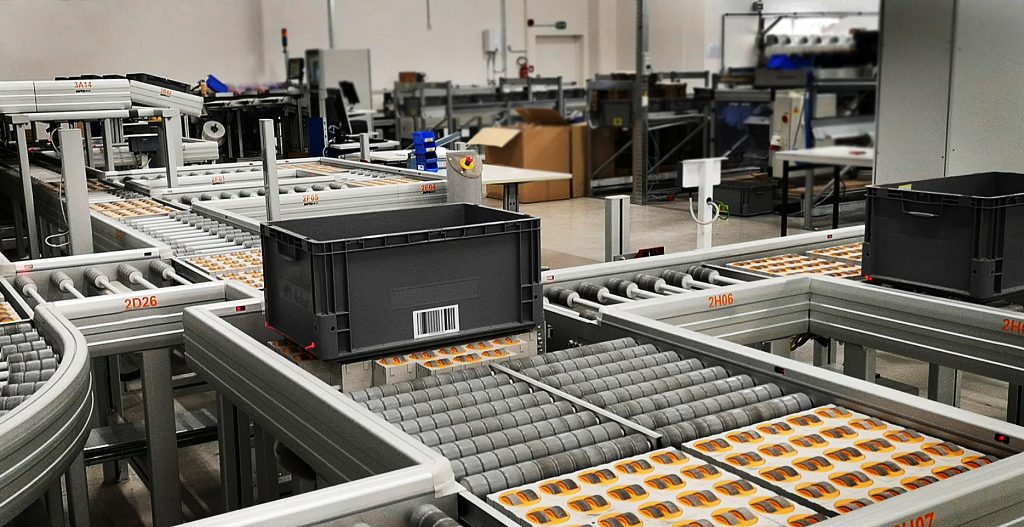
Industrial conveyor rollers are cylindrical components that facilitate the movement of goods either manually or through powered systems. They are commonly used in gravity roller conveyor, powered roller conveyor, and flexible conveyor systems.
These rollers are designed to handle various load types, from lightweight packages to heavy industrial materials. Depending on the application, they can be made from steel, aluminum, or other durable materials to ensure long-term performance.
They are widely used across industries for applications such as packaging, sorting, assembly lines, and distribution systems.
Types of Conveyor Rollers
Different types of conveyor rollers are designed to meet specific operational requirements. Choosing the right type depends on the application and load conditions.
Gravity rollers are commonly used in systems where materials move using gravity or manual force. These are ideal for simple setups and low-cost operations.
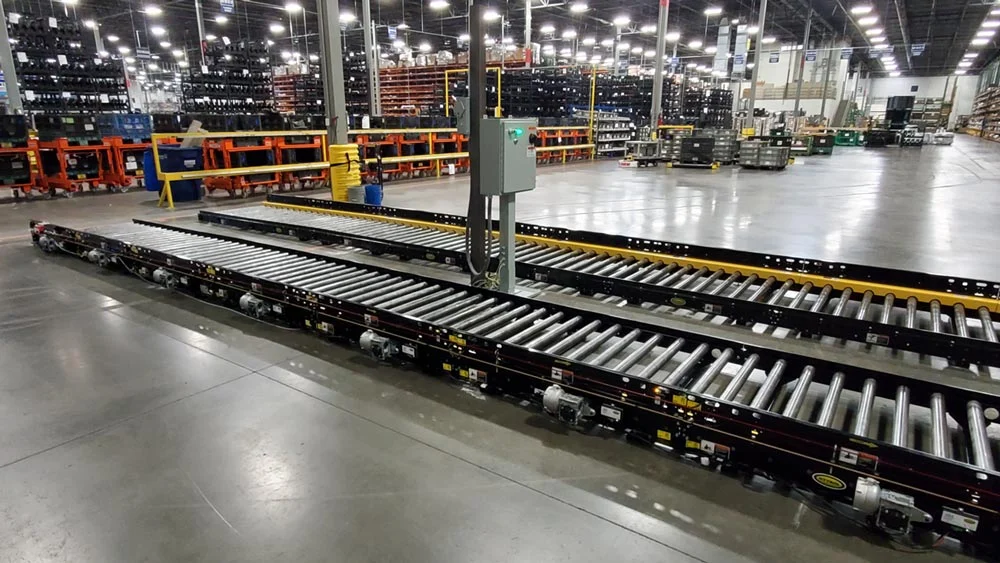
Powered rollers are used in automated environments where consistent movement is required. These rollers are often integrated with powered roller conveyor systems for better efficiency.
Flexible rollers are used in adjustable systems like flexible conveyor setups, allowing easy movement and repositioning within a workspace.
Specialized rollers are also used in systems such as bend roller conveyors, where directional changes are required without disrupting the flow of materials.
Key Benefits of Using Conveyor Rollers
Industrial conveyor rollers offer multiple advantages that improve overall operational efficiency. They reduce manual effort and allow smooth transportation of goods across different sections of a facility.
Rollers help in maintaining a consistent material flow, which reduces delays and improves productivity. They are also highly durable and require minimal maintenance when designed properly.
Another major benefit is their adaptability. Conveyor rollers can be easily integrated into different systems such as modular belt conveyors, overhead conveyors, and even truck loading conveyor systems.
By improving workflow and reducing operational bottlenecks, conveyor rollers contribute to better performance and cost savings.
How Conveyor Rollers Improve Industrial Workflow
Conveyor rollers play a significant role in streamlining industrial processes. They ensure that materials move smoothly between workstations, storage areas, and dispatch units.
In warehouse environments, rollers help in organizing material movement, reducing congestion, and improving space utilization. Integration with systems like FIFO racks and joints ensures proper inventory management and systematic flow.
In manufacturing units, rollers support continuous production by maintaining a steady movement of raw materials and finished goods. This is especially useful in assembly line conveyors such as LED TV assembly line and battery assembly line systems.
Their ability to integrate with different conveyor types makes them an essential component in modern automation setups.
Why Engineering Quality Matters
The performance of conveyor rollers depends heavily on their design and build quality. Poor-quality rollers can lead to frequent breakdowns, increased maintenance costs, and operational inefficiencies.
High-quality rollers are designed to handle load stress, reduce friction, and ensure smooth rotation. Factors such as bearing quality, material strength, and alignment play a crucial role in overall performance.
At Flexitech Engineering, emphasis is placed on precision manufacturing and durable design. This ensures that conveyor rollers deliver consistent performance even in demanding industrial environments.
Important Factors to Consider Before Choosing Conveyor Rollers
Selecting the right conveyor rollers requires careful evaluation of several factors. Load capacity is one of the most important aspects, as rollers must support the weight of materials without failure.
The type of application also determines the choice of rollers. For example, heavy-duty operations may require integration with rubber belt conveyor systems, while lightweight applications can use standard roller setups.
Environmental conditions such as dust, temperature, and moisture should also be considered. These factors can affect the lifespan and efficiency of rollers.
Proper spacing, alignment, and system compatibility are essential to ensure smooth operation and long-term reliability.
The Competitive Advantage of Using High-Quality Rollers
Using high-quality conveyor rollers provides businesses with a significant competitive advantage. Efficient material handling leads to faster processing times, improved accuracy, and reduced operational costs.
These rollers enhance system reliability, minimize downtime, and improve overall productivity. As a result, businesses can meet customer demands more effectively and maintain consistent performance.
With the right combination of conveyor systems such as inclined belt conveyors, slat conveyors, and spiral conveyors, rollers contribute to a highly efficient and scalable operation.
How Flexitech Helps with Conveyor Roller Solutions
Flexitech Engineering provides high-quality industrial conveyor rollers designed for durability and performance. The company offers customized solutions that integrate seamlessly with different conveyor systems, ensuring smooth material handling across operations.
With a focus on engineering precision and long-term reliability, Flexitech helps businesses optimize their workflow and reduce operational challenges. From design to implementation, every solution is tailored to meet specific industrial requirements.
Conclusion
Industrial conveyor rollers are essential components in modern material handling systems. They ensure smooth movement of goods, reduce manual effort, and improve overall efficiency.
By choosing the right rollers and integrating them with suitable conveyor systems, businesses can achieve better productivity and long-term operational success. Investing in quality solutions today ensures a reliable and scalable workflow for the future.
FAQs
What are industrial conveyor rollers used for?
They are used to transport materials efficiently across different stages of industrial and warehouse operations.
What is the difference between gravity and powered rollers?
Gravity rollers rely on manual force or gravity, while powered rollers use motors for automated movement.
Can conveyor rollers handle heavy loads?
Yes, high-quality rollers are designed to handle heavy industrial loads depending on their specifications.
Are conveyor rollers customizable?
Yes, they can be customized based on load capacity, material type, and operational requirements.