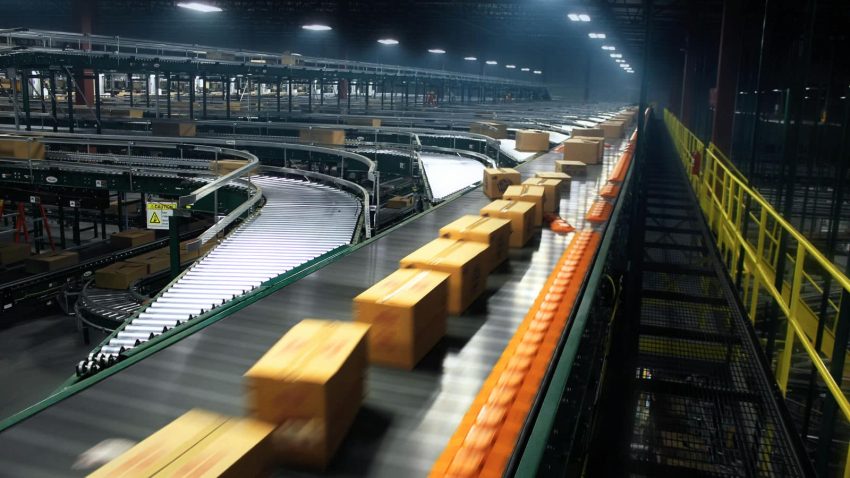
In today’s competitive industrial landscape, businesses are constantly looking for ways to improve efficiency, reduce costs, and enhance productivity. One of the most impactful innovations driving this transformation is the adoption of conveyor systems. These systems have evolved from simple material transport tools into highly advanced solutions that integrate automation, intelligence, and precision into industrial workflows.
From manufacturing units to large-scale distribution centers, conveyor systems are now considered the backbone of modern material handling. They ensure smooth movement of goods, reduce manual intervention, and create a seamless production environment that supports scalability and consistency.
As industries continue to embrace automation and Industry 4.0 technologies, conveyor systems are playing an even more critical role in shaping the future of production and logistics.
Understanding Conveyor Systems and Their Role
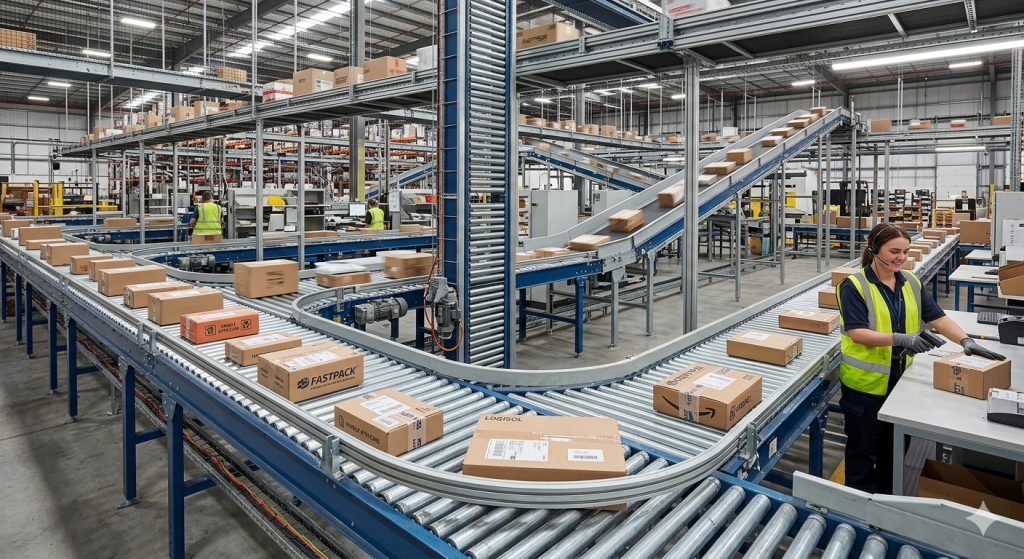
Conveyor systems are mechanical devices used to transport materials from one point to another within a facility. While this definition sounds simple, modern conveyor systems are far more sophisticated. They are designed to handle different types of materials, support complex layouts, and integrate with automated systems.
For instance, a free flow conveyor allows products to move freely between workstations, making it ideal for assembly operations where flexibility is required. Similarly, vertical solutions like the spiral conveyor and the overhead conveyor enable industries to maximize their available space by utilizing vertical movement.
These innovations are not just about transportation—they are about optimizing the entire workflow and ensuring that every stage of production is connected efficiently.
The Shift Toward Automation and Smart Manufacturing
Automation has become a necessity rather than a luxury in modern industries. Conveyor systems are at the heart of this transformation, enabling businesses to automate repetitive tasks and reduce dependency on manual labor. This not only improves efficiency but also ensures consistent quality and reduces the chances of human error.
In dynamic environments such as warehouses and logistics centers, adaptability is crucial. Solutions like the flexible conveyor allow businesses to adjust layouts quickly, while the telescopic conveyor simplifies loading and unloading operations by extending directly into trucks or containers.
These systems make operations faster, more reliable, and scalable, which is essential for businesses dealing with high volumes and tight deadlines.
Improving Efficiency and Reducing Operational Costs
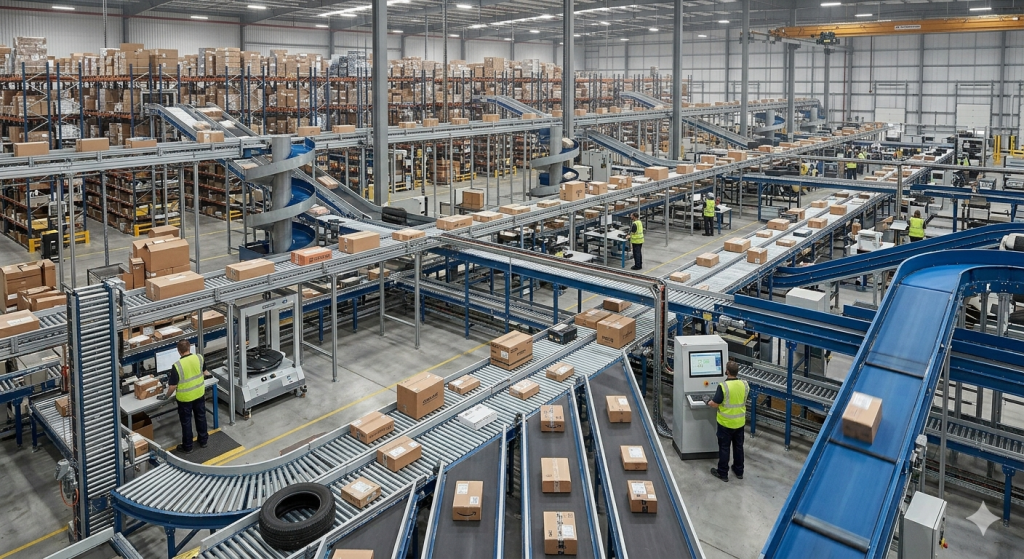
One of the biggest advantages of conveyor systems is their ability to improve efficiency while reducing operational costs. By automating material handling, businesses can significantly cut down on labor expenses and minimize errors that lead to wastage.
Conveyor systems also ensure a continuous flow of materials, eliminating bottlenecks and reducing downtime. This consistent movement is crucial for maintaining productivity and meeting production targets.
Moreover, the integration of advanced technologies such as sensors and IoT allows businesses to monitor system performance in real time. This enables predictive maintenance, reducing unexpected breakdowns and ensuring smooth operations.
Supporting Lean Manufacturing Principles
Lean manufacturing focuses on minimizing waste and maximizing value. Conveyor systems align perfectly with this philosophy by streamlining workflows and eliminating unnecessary movement.
Inventory management solutions like FIFO racks and joints play a crucial role in maintaining proper material flow. By ensuring that older inventory is used first, these systems help prevent product deterioration and reduce waste.
This structured approach not only improves efficiency but also enhances overall production planning and control.
Enhancing Assembly Line Productivity
Assembly lines are the backbone of manufacturing industries, and conveyor systems are essential for their smooth operation. They ensure that each stage of production is connected, allowing materials to move seamlessly from one process to the next.
Advanced setups such as the refrigerator air conditioning assembly line demonstrate how conveyor systems can streamline complex manufacturing processes. Similarly, the battery assembly line highlights their importance in high-demand industries such as electronics and renewable energy.
By ensuring synchronization and precision, these systems significantly improve productivity and reduce production time.
Improving Workplace Safety and Ergonomics
Workplace safety is a critical concern in industrial environments. Conveyor systems contribute to a safer workplace by reducing the need for manual handling and minimizing the risk of injuries.
For example, the ESD workstation is designed to protect sensitive electronic components while ensuring operator safety. By creating an ergonomic work environment, these systems help reduce fatigue and improve overall efficiency.
Safety features such as emergency stop mechanisms, sensors, and guards further enhance the reliability of conveyor systems.
Revolutionizing Logistics and Supply Chain Operations
The logistics industry has undergone a massive transformation with the adoption of conveyor systems. Tasks that once required significant manual effort can now be completed quickly and efficiently.
Equipment like the truck loading conveyor simplifies loading and unloading operations, reducing turnaround time and improving supply chain efficiency.
Different types of conveyors are used depending on the application. The gravity roller conveyor is ideal for lightweight goods, while the powered roller conveyor provides controlled movement for automated systems. For heavy-duty applications, the modular belt conveyor and the slat conveyor offer durability and strength, while the bend roller conveyor ensures smooth directional changes in complex layouts.
This versatility makes conveyor systems an essential component of modern supply chains.
The Future of Conveyor Systems
The future of conveyor systems lies in smart technology and digital integration. With the rise of Industry 4.0, these systems are becoming more intelligent, connected, and efficient.
IoT-enabled conveyors can provide real-time data on performance, allowing businesses to identify inefficiencies and make data-driven decisions. AI-powered systems can predict maintenance requirements, reducing downtime and improving reliability.
As industries continue to evolve, conveyor systems will play a key role in enabling automation, improving efficiency, and supporting sustainable practices.
Conclusion
Conveyor systems have transformed modern industries by improving efficiency, enhancing safety, and enabling automation. They are no longer just tools for moving materials—they are strategic assets that drive productivity and innovation.
Businesses that invest in advanced conveyor solutions are better equipped to handle the challenges of modern industry and stay ahead in a competitive market. As technology continues to advance, the importance of conveyor systems will only continue to grow.
Frequently Asked Questions (FAQs)
What are conveyor systems used for?
Conveyor systems are used to transport materials efficiently within industrial facilities, improving workflow and reducing manual labor.
Which industries use conveyor systems the most?
Industries such as manufacturing, logistics, automotive, electronics, food processing, and pharmaceuticals widely use conveyor systems.
Are conveyor systems customizable?
Yes, conveyor systems can be customized based on layout, product type, and operational requirements.
How do conveyor systems improve efficiency?
They automate material movement, reduce delays, minimize errors, and ensure a continuous workflow.
Which conveyor is best for heavy materials?
Slat conveyors and modular belt conveyors are ideal for handling heavy or bulky materials.
What is the future of conveyor systems?
The future includes smart conveyors integrated with IoT, AI, and real-time monitoring systems for predictive maintenance and improved performance.