
Warehouse operations are becoming increasingly complex as businesses handle larger volumes of goods, tighter delivery timelines, and higher customer expectations. In this environment, efficiency and accuracy are critical for success. One of the most effective ways to achieve this is by implementing pallet conveyor systems.
Pallet conveyor systems are specifically designed to handle heavy loads and bulk materials, making them ideal for warehouses, distribution centers, and manufacturing units. These systems streamline material movement, reduce manual labor, and ensure a consistent flow of goods across different stages of operations.
As industries continue to adopt automation and smart technologies, pallet conveyor systems are playing a key role in transforming warehouse management.

What Are Pallet Conveyor Systems?
Pallet conveyor systems are material handling solutions designed to transport palletized goods efficiently within a facility. Unlike standard conveyors, these systems are built to handle heavy loads and provide stability during transportation.
They are commonly used in warehouses where goods are stored, sorted, and shipped in bulk. By automating the movement of pallets, these systems eliminate the need for manual handling and reduce the risk of damage or delays.
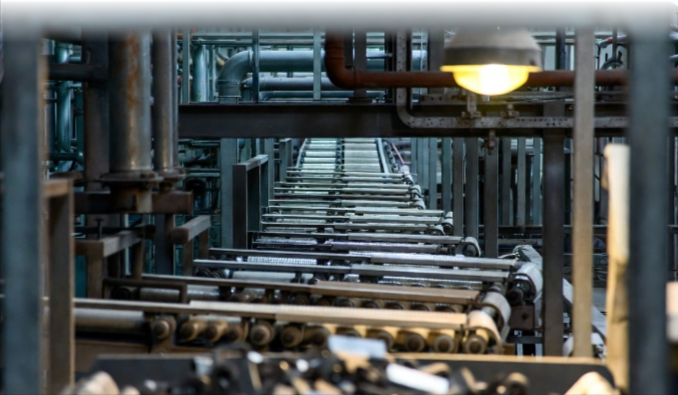
Depending on the application, different types of conveyors can be integrated into pallet systems. For instance, the powered roller conveyor is widely used for controlled movement of heavy loads, while the gravity roller conveyor provides a cost-effective solution for simpler operations.
Improving Efficiency in Warehouse Operations
One of the biggest advantages of pallet conveyor systems is their ability to improve operational efficiency. By automating material movement, these systems ensure that goods are transported quickly and accurately across the warehouse.
This eliminates delays caused by manual handling and ensures a continuous workflow. In high-volume environments, even small improvements in efficiency can lead to significant gains in productivity.
Additionally, systems like the free flow conveyor can be integrated into warehouse operations to enable smooth movement between different processing zones.
Reducing Labor Dependency and Costs
Manual handling of palletized goods requires significant labor and can be physically demanding. Pallet conveyor systems reduce this dependency by automating repetitive tasks, allowing workers to focus on more value-added activities.
This not only lowers labor costs but also improves overall operational efficiency. Over time, the cost savings achieved through automation can offset the initial investment in conveyor systems.
Moreover, reducing manual handling minimizes the risk of human errors, ensuring better accuracy in inventory management and order fulfillment.
Enhancing Safety and Reducing Workplace Injuries
Handling heavy pallets manually can lead to workplace injuries and safety risks. Conveyor systems provide a safer alternative by reducing the need for lifting and carrying heavy loads.
Modern systems are equipped with safety features such as sensors, emergency stop mechanisms, and protective guards. Workstations like the ESD workstation further enhance safety by protecting both workers and sensitive products.
By creating a safer working environment, businesses can improve employee satisfaction and reduce downtime caused by injuries.
Optimizing Warehouse Space Utilization
Efficient use of space is crucial in warehouse operations. Pallet conveyor systems help optimize space by organizing material flow and reducing clutter.
Vertical solutions such as the spiral conveyor and overhead conveyor allow businesses to utilize vertical space effectively, freeing up valuable floor area for storage and other operations.
This is particularly beneficial for warehouses operating in limited spaces where maximizing capacity is essential.
Streamlining Loading and Unloading Processes
Loading and unloading are critical stages in warehouse operations, and inefficiencies in these processes can lead to delays and increased costs. Pallet conveyor systems simplify these tasks by automating the movement of goods.
Equipment like the truck loading conveyor enables quick and efficient transfer of pallets between trucks and storage areas. This reduces turnaround time and improves overall logistics performance.
Faster loading and unloading also help businesses meet tight delivery schedules and improve customer satisfaction.
Supporting Organized Inventory Management
Effective inventory management is essential for smooth warehouse operations. Pallet conveyor systems support organized workflows by ensuring that materials are transported and stored systematically.
Solutions like FIFO racks and joints help maintain proper inventory rotation, ensuring that older stock is used first. This reduces waste and improves efficiency.
By integrating conveyor systems with inventory management practices, businesses can achieve better control and visibility over their operations.
Flexibility and Adaptability in Operations
Modern warehouses require flexible solutions that can adapt to changing demands. Pallet conveyor systems offer this flexibility by allowing customization based on specific operational needs.
Systems like the flexible conveyor can be adjusted to different layouts, while the telescopic conveyor provides extendable functionality for dynamic loading and unloading requirements.
This adaptability ensures that businesses can respond quickly to changes in demand and maintain efficiency.
Handling Heavy Loads with Precision
Pallet conveyor systems are specifically designed to handle heavy loads with precision and stability. For heavy-duty applications, conveyors like the modular belt conveyor and slat conveyor provide durability and strength.
Additionally, the bend roller conveyor allows smooth directional changes, making it easier to navigate complex warehouse layouts.
This capability ensures that even the heaviest loads can be transported safely and efficiently.
Integration with Assembly and Production Lines
In warehouses that are part of manufacturing facilities, pallet conveyor systems can be integrated with assembly lines to create a seamless workflow.
Advanced setups such as the refrigerator air conditioning assembly line and the battery assembly line demonstrate how conveyors can connect production and storage processes.
This integration improves coordination between different stages of operations and enhances overall efficiency.
The Future of Pallet Conveyor Systems
The future of pallet conveyor systems lies in smart automation and digital integration. With advancements in IoT and AI, these systems are becoming more intelligent and capable of real-time monitoring.
Predictive maintenance, data analytics, and automated decision-making are transforming how warehouses operate. These technologies not only improve efficiency but also reduce operational risks and costs.
As businesses continue to adopt these innovations, pallet conveyor systems will play an even more significant role in shaping the future of warehouse operations.
Conclusion
Pallet conveyor systems have become an essential component of modern warehouse operations. By improving efficiency, reducing labor costs, enhancing safety, and optimizing space utilization, these systems provide a comprehensive solution for material handling challenges.
Businesses that invest in pallet conveyor systems can streamline their operations, improve productivity, and stay competitive in an increasingly demanding market. As technology continues to evolve, these systems will remain a key driver of innovation and growth in the logistics and warehousing industry.
Frequently Asked Questions (FAQs)
What are pallet conveyor systems?
Pallet conveyor systems are designed to transport palletized goods efficiently within warehouses and industrial facilities.
How do pallet conveyors improve warehouse efficiency?
They automate material movement, reduce delays, and ensure a continuous workflow, improving overall productivity.
Are pallet conveyor systems suitable for heavy loads?
Yes, they are specifically designed to handle heavy and bulk materials safely and efficiently.
Can pallet conveyor systems be customized?
Yes, they can be tailored to meet specific warehouse layouts and operational requirements.
Do pallet conveyors reduce labor costs?
Yes, they reduce the need for manual handling, lowering labor costs and improving efficiency.
What is the future of pallet conveyor systems?
The future includes smart systems integrated with IoT and AI for real-time monitoring and predictive maintenance.