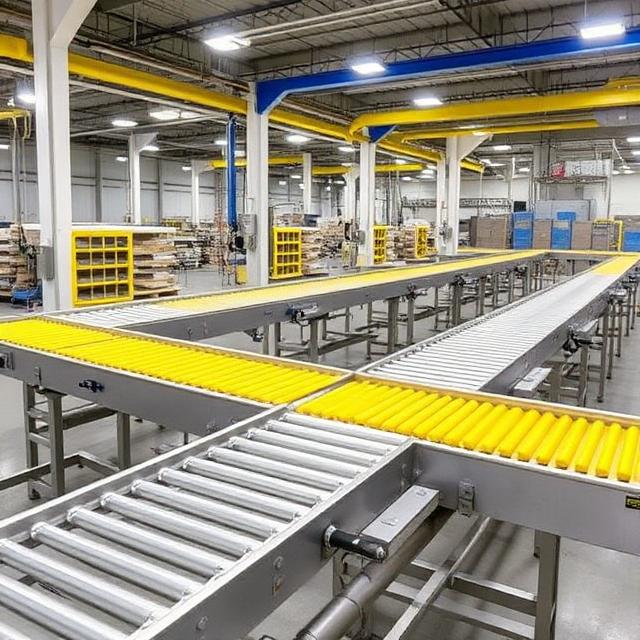
Selecting the right conveyor system is one of the most important decisions for any industrial operation. Whether you are running a manufacturing plant, a warehouse, or a logistics facility, the efficiency of your material handling process directly impacts productivity, operational costs, and overall business performance.
With so many conveyor options available today, choosing the right system can feel overwhelming. Each industry has unique requirements, and selecting the wrong conveyor can lead to inefficiencies, higher maintenance costs, and operational delays. That’s why it is essential to understand the key factors involved in making the right choice.
This guide will help you evaluate your needs and choose the most suitable conveyor system for your industry.
Understanding Your Industry Requirements
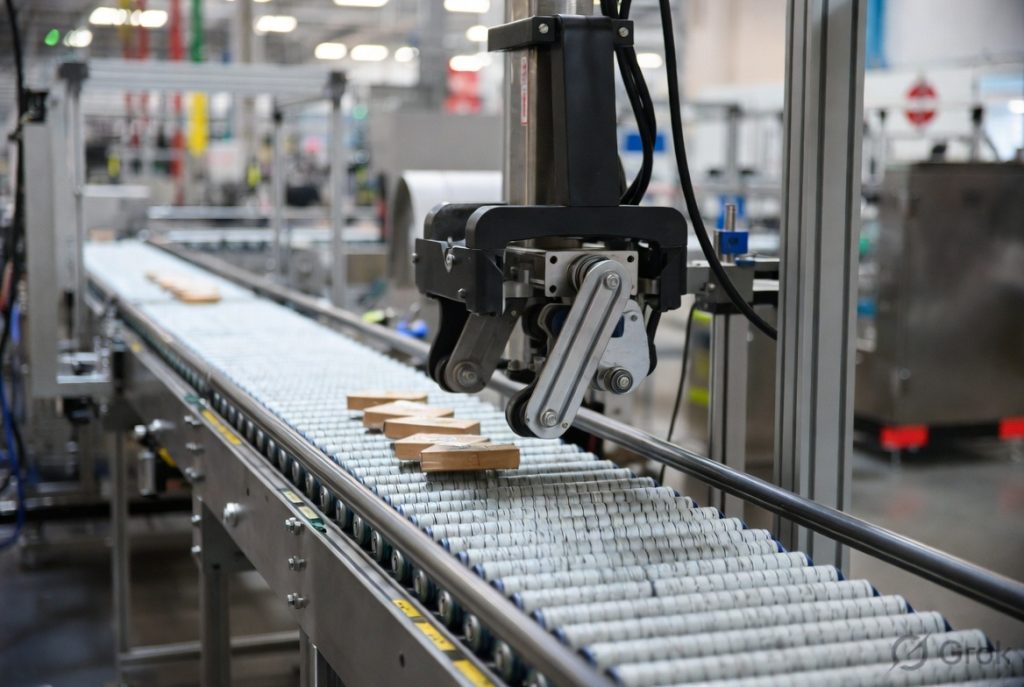
The first step in choosing the right conveyor system is understanding your specific industry requirements. Different industries handle different types of materials, operate under different conditions, and have unique workflow demands.
For example, manufacturing industries often require synchronized systems like the free flow conveyor to ensure smooth movement between workstations. On the other hand, logistics and warehousing operations may benefit from flexible solutions such as the flexible conveyor, which can adapt to changing layouts and operational needs.
By clearly identifying your industry requirements, you can narrow down your options and focus on systems that align with your goals.
Evaluating Material Type and Load Capacity
The type of material you need to transport plays a critical role in selecting the right conveyor system. Factors such as weight, size, shape, and fragility must be considered to ensure safe and efficient handling.
For lightweight materials, a gravity roller conveyor can be a cost-effective solution. However, for heavier or bulkier items, more robust systems like the slat conveyor or the modular belt conveyor are better suited.
Choosing a conveyor that matches your load capacity requirements ensures durability and prevents unnecessary wear and tear.
Considering Layout and Space Constraints
The physical layout of your facility is another important factor to consider. Conveyor systems must fit seamlessly into your existing setup without causing disruptions.
In facilities with limited floor space, vertical solutions like the spiral conveyor and overhead conveyor can help maximize available space. For operations that require directional changes, the bend roller conveyor allows smooth transitions within complex layouts.
Proper planning of your layout ensures efficient material flow and prevents bottlenecks.
Assessing Automation Requirements
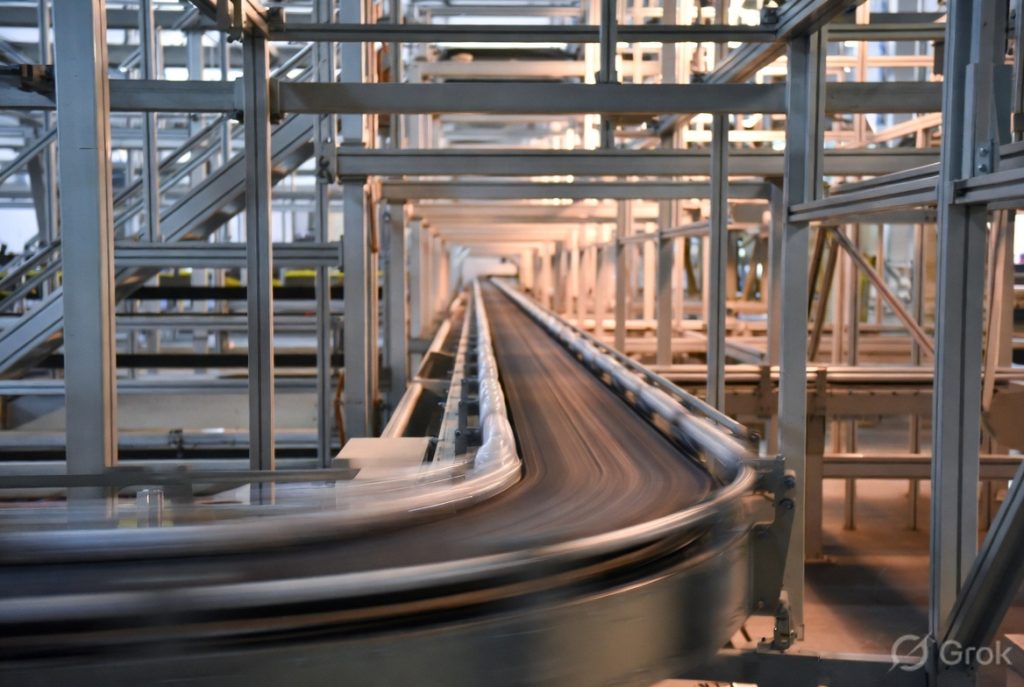
Automation is a key driver of efficiency in modern industries. When choosing a conveyor system, it is important to consider your current and future automation needs.
Systems like the powered roller conveyor offer controlled and automated movement, making them ideal for high-volume operations. For dynamic environments such as warehouses, the telescopic conveyor simplifies loading and unloading processes by extending directly into trucks or containers.
Investing in automation-ready systems ensures that your operations remain scalable and future-proof.
Improving Workflow and Inventory Management
An efficient conveyor system should not only move materials but also improve overall workflow and inventory management. Systems that support organized material flow can significantly enhance productivity.
For example, FIFO racks and joints ensure that materials are used in the correct order, reducing waste and improving efficiency. This is particularly important in industries where product shelf life is a concern.
By integrating such systems into your operations, you can achieve better control over your inventory and streamline your processes.
Industry-Specific Applications
Different industries require specialized conveyor systems tailored to their unique needs. For instance, assembly lines in manufacturing benefit from advanced setups like the refrigerator air conditioning assembly line, which ensures precision and consistency.
Similarly, industries dealing with electronics and energy storage rely on systems such as the battery assembly line to handle complex production processes efficiently.
Understanding these industry-specific applications helps you choose a system that delivers optimal performance.
Enhancing Safety and Ergonomics
Safety should always be a top priority when selecting a conveyor system. A well-designed system reduces the risk of workplace injuries and creates a more comfortable working environment.
Workstations like the ESD workstation are designed to protect both operators and sensitive components. Additionally, modern conveyor systems come equipped with safety features such as sensors, emergency stops, and protective guards.
Investing in a safe and ergonomic system not only protects your workforce but also improves productivity.
Optimizing Logistics and Material Handling
For businesses involved in logistics and distribution, efficient material handling is essential. Conveyor systems can significantly improve the speed and accuracy of these operations.
Solutions like the truck loading conveyor streamline loading and unloading processes, reducing turnaround time and increasing efficiency.
By optimizing your logistics operations, you can enhance customer satisfaction and gain a competitive edge in the market.
Planning for Scalability and Future Growth
As your business grows, your material handling requirements will evolve. Choosing a conveyor system that can be easily expanded or modified ensures that your operations remain efficient in the long run.
Scalable systems allow you to add new components, increase capacity, and adapt to changing demands without major disruptions. This flexibility is crucial for businesses aiming for long-term success.
Conclusion
Choosing the right conveyor system for your industry is a strategic decision that can have a significant impact on your operations. By considering factors such as material type, layout, automation needs, and scalability, you can select a system that meets your requirements and supports your business goals.
Investing in the right conveyor system not only improves efficiency and reduces costs but also positions your business for future growth. With the right approach, you can transform your material handling process into a powerful driver of success.
Frequently Asked Questions (FAQs)
What factors should I consider when choosing a conveyor system?
You should consider material type, load capacity, layout, automation needs, and scalability when selecting a conveyor system.
Which conveyor is best for heavy materials?
Slat conveyors and modular belt conveyors are ideal for handling heavy or bulky materials.
Are conveyor systems customizable?
Yes, conveyor systems can be tailored to meet specific industry requirements and operational needs.
How do conveyor systems improve efficiency?
They automate material movement, reduce delays, and ensure a continuous workflow.
What is the role of conveyors in logistics?
Conveyors streamline loading, unloading, and transportation processes, improving speed and accuracy.
Can conveyor systems be expanded in the future?
Yes, most modern conveyor systems are designed to be scalable and can be expanded as business needs grow.